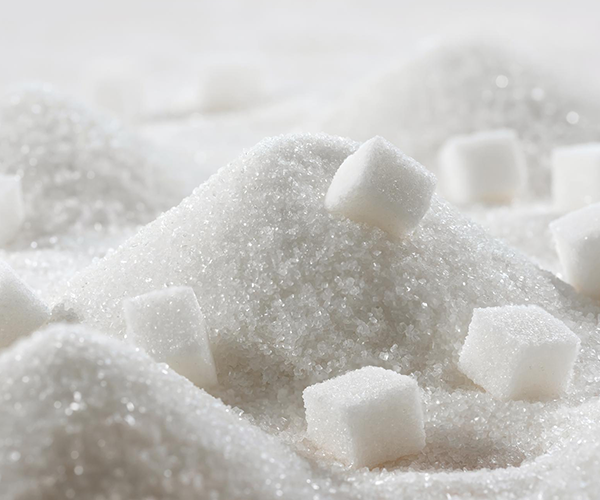
• Sulfo Treat S – Appearance: Off-white granular mixturey
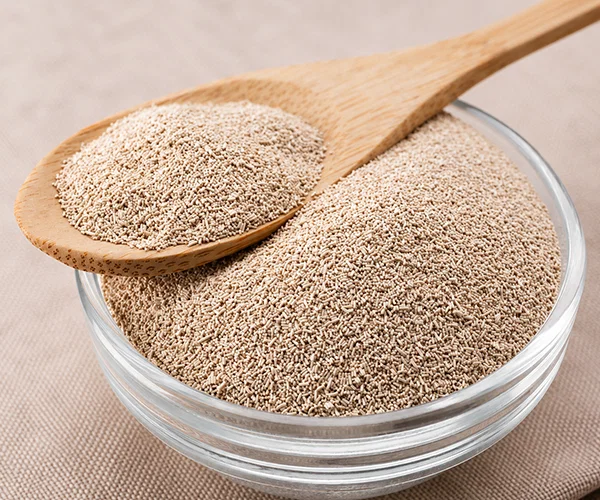
  • Sulfo Treat R – Appearance: Part A: Granular white; Part B: Fine yellow material

SulfoTreat S & R

Catalytic Solutions for Sulphite & Sulphide Control in Process Streams

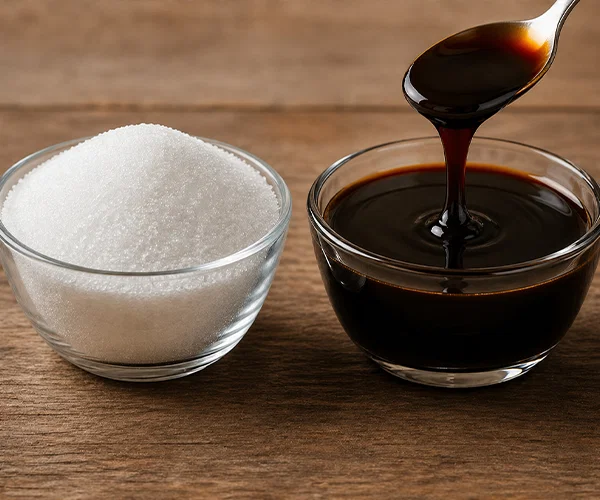
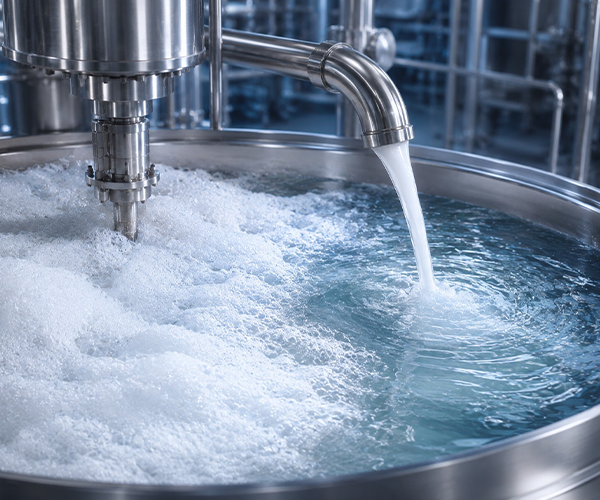
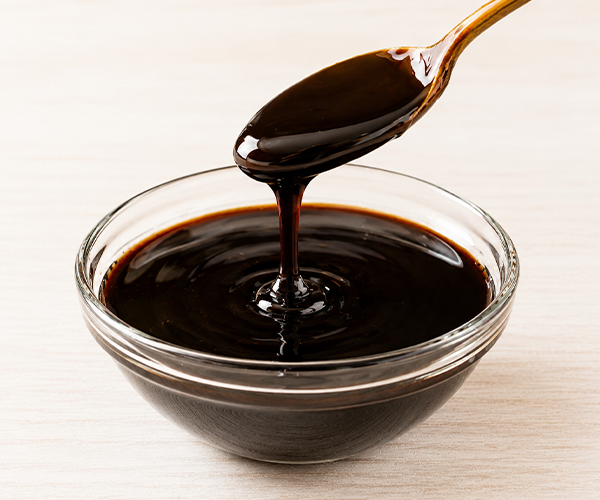
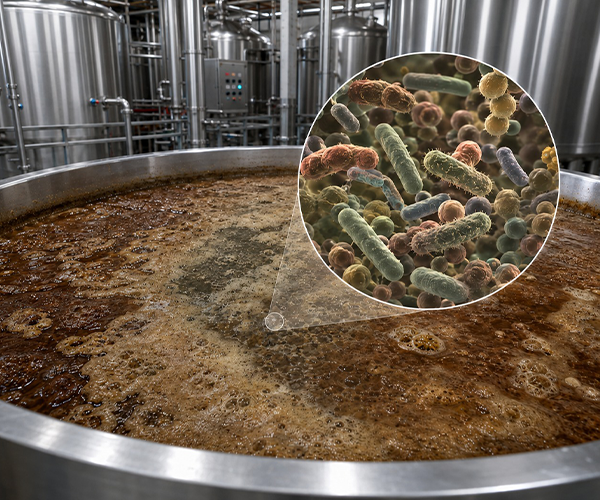
Elevated sulphite and sulphide levels can create significant challenges across distillery, sugar processing, and industrial water systems. Sulphite in syrup or molasses can inhibit microbial activity and disturb fermentation stability, while sulphide contamination in water can lead to odour, turbidity, colour formation, and microbial imbalance.

Effective control of these contaminants is therefore important for maintaining fermentation efficiency, improving water quality, and supporting safe reuse of process streams.

SulfoTreat S & R are catalytic formulations developed for targeted sulphur contaminant reduction. SulfoTreat-S reduces sulphite concentration in sugar syrup and molasses without adversely affecting sugar concentration or key syrup parameters, while SulfoTreat-R reduces sulphide levels in industrial water and wastewater through catalytic oxidation, supporting improved water quality and reuse.

  • Rapid catalytic reduction of sulphite and sulphide contamination
  • SulfoTreat-S achieves 70–100% sulphite removal
  • SulfoTreat-R provides up to 90% reduction in sulphide concentration
  • SulfoTreat-S supports fermentation efficiency greater than 90%
  • Helps maintain favourable pH and alkalinity conditions
  • SulfoTreat-R helps eliminate odour, turbidity, and grey/black coloration
  • Supports safe reuse of treated water across applications
  • Provides easy application at recommended dosage levels

SulfoTreat S & R are designed for different sulphur-control applications :

  • SulfoTreat-S: Sugar syrup and molasses streams
  • SulfoTreat-S: Syrup vessels and fermentation vessel filling
  • SulfoTreat-R: Lagoon water
  • SulfoTreat-R: Cooling tower water
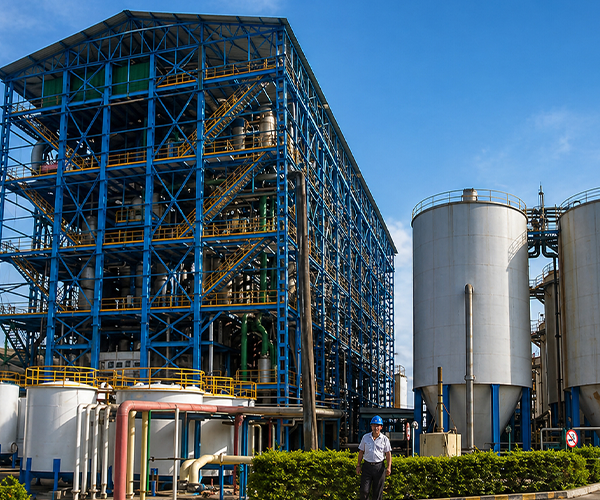
  • SulfoTreat-R: Condensate and process water treatment

Appearance

SulfoTreat-S :Off-white granular mixture
SulfoTreat-R : Part A: Granular white Part B: Fine yellow material

Operating Temperature

SulfoTreat-S :30–60°C
SulfoTreat-R : 30–60°C

pH Range

SulfoTreat-S : 5–8
SulfoTreat-R : 5–8

Retention Time

SulfoTreat-S :30–45 minutes
SulfoTreat-R : 20–40 minutes

Packaging

SulfoTreat-S : 5–10 kg moisture-resistant bags / HDPE containers
SulfoTreat-R : 25 kg moisture-resistant bags / HDPE containers

Shelf Life

SulfoTreat-S :More than 12 months
SulfoTreat-R : More than 12 months

Dosage

SulfoTreat-S : 0.8–1 ppm per ppm sulphite, depending on initial concentratione
SulfoTreat-R : Combined Part A & B dosage of 0.8–1.5 ppm per ppm sulphide

  • Catalytic solutions for targeted sulphite and sulphide reduction
  • Provides rapid contaminant reduction
  • SulfoTreat-S supports fermentation without adversely affecting sugar concentration
  • SulfoTreat-R improves water quality for reuse
  • Helps maintain favourable process conditions
  • Supports improved process stability and operational efficiency

To evaluate the effectiveness of CATALYSTS SULFOTREAT-R in reducing sulfur contamination in ethanol produced from sulfur-rich molasses, enabling compliance with premium ethanol quality specifications while maintaining stable plant operations.

FAQ's

What is the difference between SulfoTreat-S and SulfoTreat-R?

SulfoTreat-S is formulated to reduce sulphite toxicity in syrup and molasses before fermentation, whereas SulfoTreat-R is designed to reduce sulphide levels in industrial water, condensate, lagoon water, and cooling tower systems for improved water quality and reuse.

Does SulfoTreat-S affect syrup quality, and how effective is it at sulphite removal?

SulfoTreat-S selectively removes sulphite without adversely affecting sugar concentration or key syrup quality parameters. Under recommended operating conditions, it can achieve 70–100% sulphite removal, depending on the initial sulphite concentration and process conditions.

What business benefits can a distillery expect from using SulfoTreat?

SulfoTreat helps improve fermentation consistency, supports higher ethanol recovery, reduces sulphite-related process losses, and enables better utilization of existing fermentation assets, contributing to improved overall plant economics.

Other Solutions