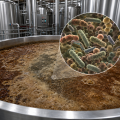
Molasses and syrup fermentation present significant challenges for distillers due to their high fermentable sugar content. While these substrates are ideal for ethanol production, once diluted or exposed to high water activity, they become highly susceptible to bacterial and fungal growth. Microbial contaminants can originate from multiple sources, including molasses, raw water, wastewater recycling streams, circulation pumps, PHE systems, and aeration systems, resulting in contamination issues during storage and fermentation.
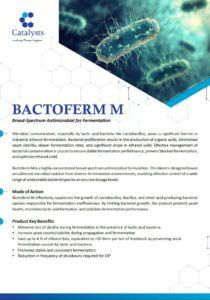
Bactoferm M
Packaging: 100 g Water-Soluble Packs
Key Benefits
- Minimizes alcohol loss in the presence of lactic acid bacteria
- Increases yeast counts and viability during propagation and fermentation
- Helps save up to 4% ethanol loss
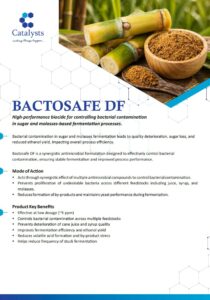
Bactosafe DF
Form: Liquid
Key Benefits
- Effective at low dosage levels
- Controls bacterial contamination across multiple feedstocks
- Helps prevent deterioration of cane juice and syrup quality
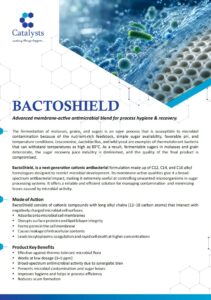
Bactoshield
Form: Liquid
Key Benefits
- Effective against thermotolerant microbial flora
- Works at low dosage levels
- Provides broad-spectrum antimicrobial activity
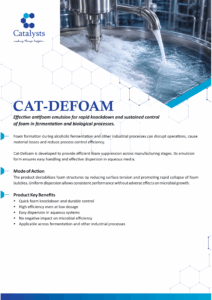
Cat- Defoam
Appearance: Translucent Viscous Brown Liquid

Key Benefits
- Provides quick foam knockdown
- Supports durable foam control
- High efficiency even at low dosage
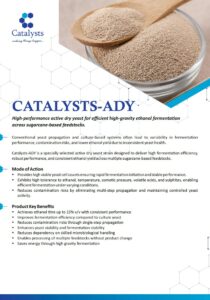
Catalysts-ADY
Type:Acve Dry Yeast (S. cerevisiae)
Key Benefits
- Achieves ethanol titre up to 15% v/v with consistent performance
- Improves fermentation efficiency compared to culture yeast
- Reduces contamination risks through single-step propagation
DSPN-M
Form: Powder
Appearance: Off-white to Pale Yellow/Brown
Key Benefits
- Replaces conventional urea and DAP supplementation
- Improves yeast growth and healthy progeny formation
- Enhances fermentation efficiency under stressed conditions
DSPN-Pro
Form: Powder
Appearance: Off-white to Pale Yellow/Brown

Key Benefits
- Provides essential nutrients required by yeast during fermentation
- Ensures balanced nitrogen availability
- Promotes higher yeast productivity
Enzysyrup Max
Form: Powder
Appearance: Cream
Key Benefits
- Prevents sugar loss due to bacterial contamination
- Maintains maximum ethanol yield
- Reduces by-product stress on yeast
Enzymol Protect A
Form: Liquid
Appearance: Off-white to Brownish
Key Benefits
- Reduces storage-related sugar losses
- Enhances FAAN by solubilizing proteins / glycoproteins with protease
- Improves viscosity and flowability through breakdown of polymerized sugars
Enzytreat Plus
Form: Liquid
Appearance: White
Key Benefits
- Controls bacterial contamination and prevents loss of fermentable sugars
- Helps alleviate stress caused by volatile acids during fermentation
- Helps prevent formation of undesirable by-products
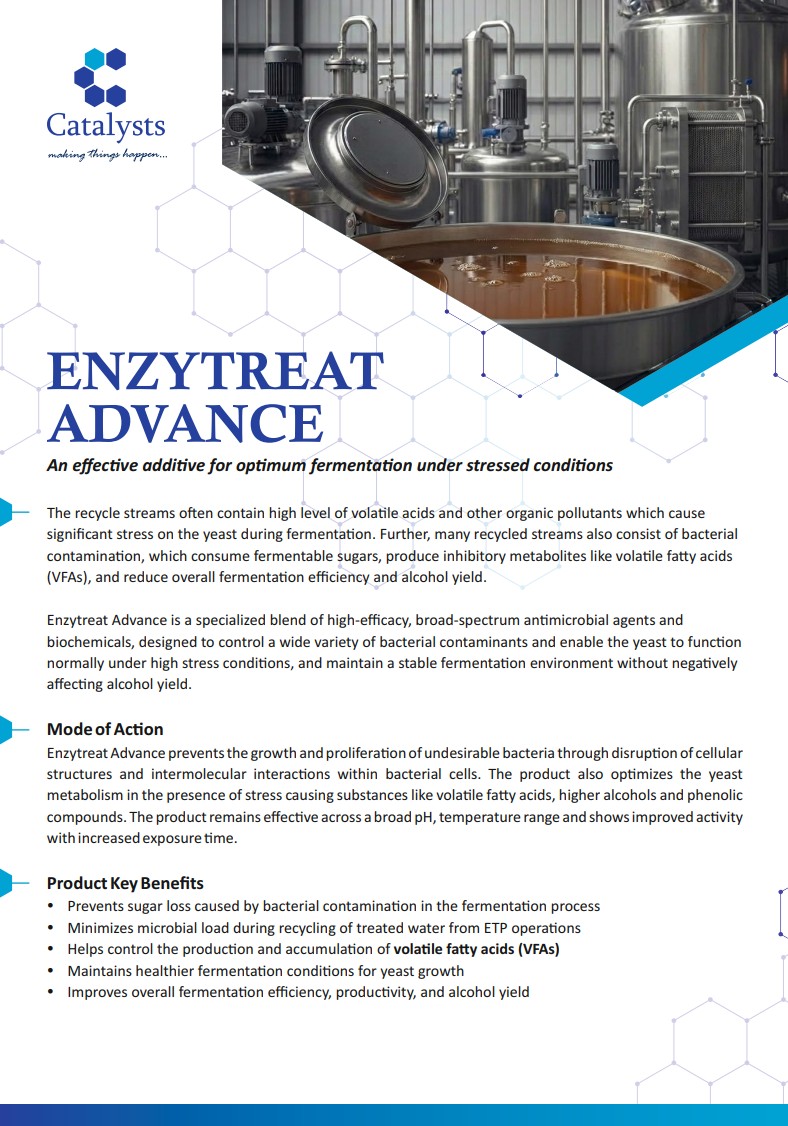
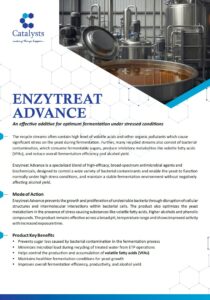
Enzytreat Advance
Form: Liquid
Appearance: Clear, Watery Liquid

Key Benefits
- Prevents sugar loss caused by bacterial contamination
- Minimizes microbial load during recycling of treated water from ETP operations
- Helps control production and accumulation of volatile fatty acids (VFAs)
Enzypro MV-6
Form: Powder
Appearance: Off-white to Brownish
Key Benefits
- Improves fermentation stability and consistency
- Enhances alcohol yield and maintains fermentation efficiency
- Increases alcohol concentration, leading to lower spent wash ratio
Enzypro M
Form: Powder
Appearance: Off-white to Brownish
Key Benefits
- Improves fermentation stability and consistency
- Enhances alcohol yield and maintains fermentation efficiency
- Increases alcohol concentration, leading to a lower spent wash ratio
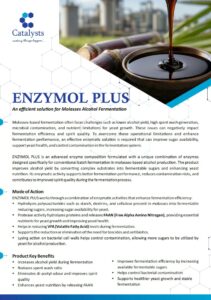
Enzymol Plus
Form: Powder
Appearance: Off-white to Brownish Powder
Key Benefits
- Increases alcohol yield during fermentation
- Reduces spent wash ratio
- Eliminates di-acetyl odour and improves spirit quality
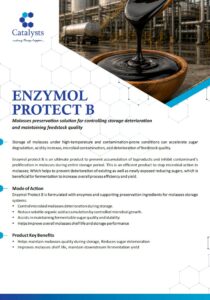
Enzymol Protect B
Form: Liquid
Appearance: Transparent White
Key Benefits
- Helps maintain molasses quality during storage
- Reduces sugar deterioration
- Controls microbial deterioration during storage
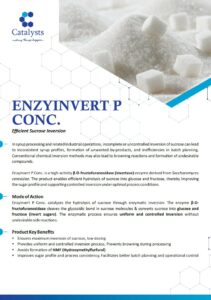
Enzyinvert P Conc.
Form: Micro-granulated Powder
Key Benefits
- Ensures maximum inversion of sucrose
- Effective at low dosing levels
- Provides uniform and controlled inversion
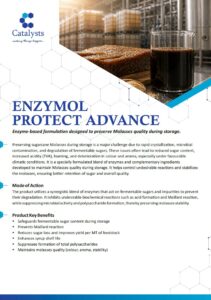
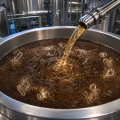
Enzymol Protect Advance
Appearance: Clear / Transparent White Liquid
Key Benefits
- Safeguards fermentable sugar content during storage
- Prevents Maillard reaction
- Reduces sugar loss
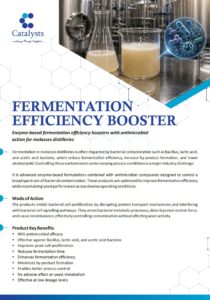
Fermentation Efficiency Booster
Shelf Life: 2 Years
Key Benefits
- Provides 90% antimicrobial efficacy
- Effective against Bacillus, lactic acid, and acetic acid bacteria
- Improves yeast cell proliferation
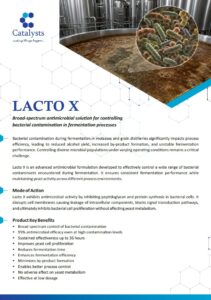
Lacto X
Shelf Life: 2 Years
Key Benefits
- Provides broad-spectrum control of bacterial contamination
- Delivers 95% antimicrobial efficacy even at high contamination levels
- Provides sustained effectiveness for up to 36 hours
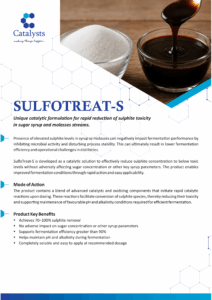
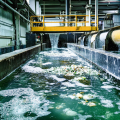
Sulfo Treat
Appearance: Off-white granular mixture
Key Benefits
- Rapid catalytic reduction of sulphite and sulphide contamination
- SulfoTreat-S achieves 70–100% sulphite removal
- SulfoTreat-R provides up to 90% reduction in sulphide concentration
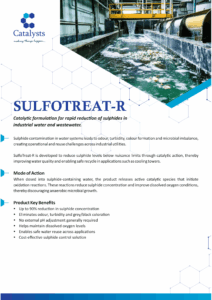
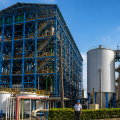
Sulfo Treat-R
Appearance: Granular white; Part B: Fine yellow material
Key Benefits
- Rapid catalytic reduction of sulphite and sulphide contamination
- SulfoTreat-S achieves 70–100% sulphite removal
- SulfoTreat-R provides up to 90% reduction in sulphide concentration
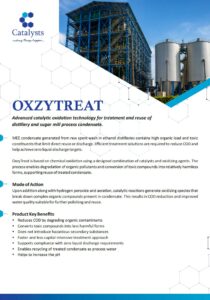
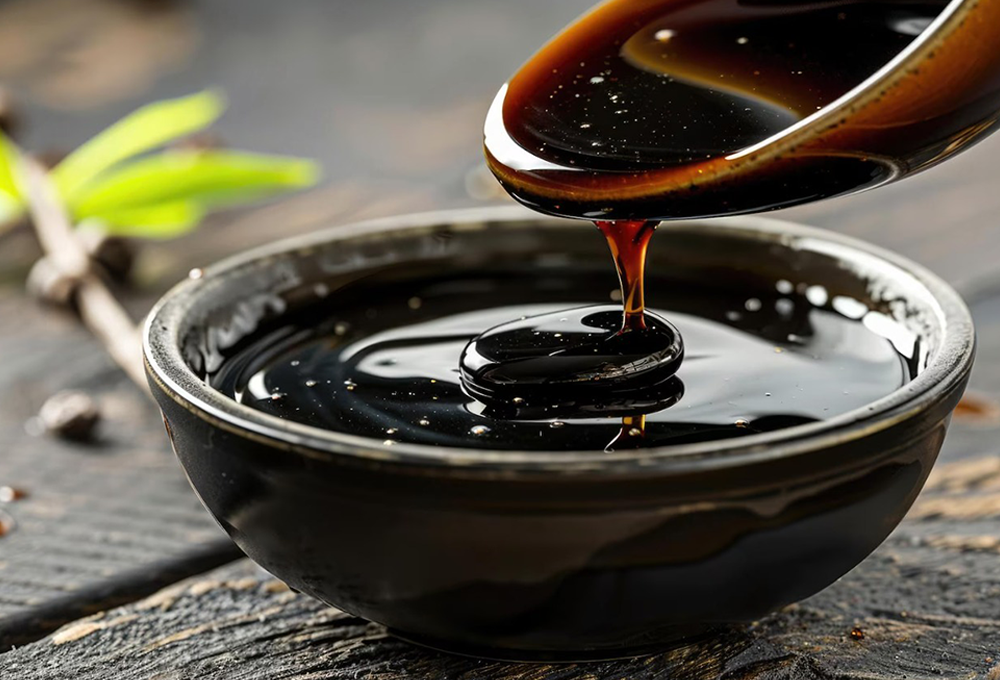
OxzyTreat
Appearance: White Powder with Mild Acidic Smell
Key Benefits
- Reduces COD by degrading organic contaminants
- Converts toxic compounds into less harmful forms
- Does not introduce hazardous secondary substances
Indiaʼs Most Trusted Biotech Solutions Partner for the Sugar, Distilling & Brewing industries
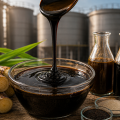
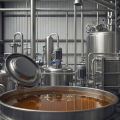
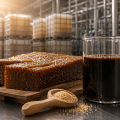
Molasses and syrup fermentation present significant challenges for distillers due to their high fermentable sugar content. While these substrates are ideal for ethanol production, once diluted or exposed to high water activity, they become highly susceptible to bacterial and fungal growth. Microbial contaminants can originate from multiple sources, including molasses, raw water, wastewater recycling streams, circulation pumps, PHE systems, and aeration systems, resulting in contamination issues during storage and fermentation.
To mitigate these challenges, distilleries frequently clean equipment and implement process controls to minimize yield losses. However, varying contamination levels across different input streams continue to create fermentation challenges, reducing fermentation efficiency and impacting overall ethanol productivity.
Microbial contamination not only consumes valuable fermentable sugars but also generates undesirable by-products such as lactic acid, which adversely affects yeast health and fermentation performance. This can result in reduced ethanol yield, poor fermentation efficiency, and even stuck fermentation. Effective contamination management is therefore essential for maintaining consistent performance in molasses and syrup-based ethanol production.
Our Products
Our solutions improve alcohol yield and fermentation performance by hydrolysing unfermentable sugars and effectively controlling microbial contamination.
We offer specialized solutions including contamination control products for ethanol fermentation in India, bacterial contamination reducers for ethanol fermentation dosing, and performance-enhancing technologies that help improve alcohol recovery, fermentation efficiency, and overall plant profitability.
Key Differentiators
State-of-the-art DSIR accredited R&D Centre
The ₹14,200 Cr Value Created Number
Technically qualified Customer Support Team
Channel partnership with worldʼs top companies
Quality certified Formulation Facility (FSSC 22000, Halal & Kosher)
Bactoferm M
Broad-Spectrum Antimicrobial for Fermentation. Microbial contamination, especially by lactic acid bacteria like Lactobacillus, poses a significant barrier in industrial ethanol fermentation. Bacterial proliferation results in the production of organic acids, diminished yeast viability, slower fermentation rates, and significant drops in ethanol yield. Effective management of bacterial contamination is crucial to ensure stable fermentation performance, prevent blocked fermentation, and optimize ethanol yield.
Bactosafe DF
High-performance biocide for controlling bacterial contamination in sugar and molasses-based fermentation processes. Bacterial contamination in sugar and molasses fermentation leads to quality deterioration, sugar loss, and reduced ethanol yield, impacting overall process efficiency.
Bactoshield
The fermentation of molasses, grains, and sugars is an open process that is susceptible to microbial contamination because of the nutrient-rich feedstock, simple sugar availability, favorable pH, and temperature conditions.
Cat- Defoam
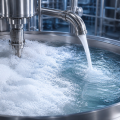
Foam formation during alcoholic fermentation and other industrial processes can disrupt operations, cause material losses and reduce process control efficiency
Catalysts-ADY
High-performance active dry yeast for efficient high-gravity ethanol fermentation across sugarcane-based feedstocks. Conventional yeast propagation and culture-based systems often lead to variability in fermentation performance, contamination risks, and lower ethanol yield due to inconsistent yeast health.
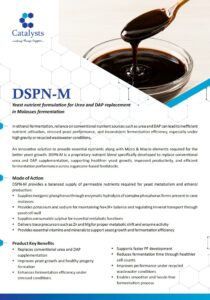
DSPN-M
In ethanol fermentation, reliance on conventional nutrient sources such as urea and DAP can lead to inefficient nutrient utilization, stressed yeast performance, and inconsistent fermentation efficiency, especially under high gravity or recycled wastewater conditions.
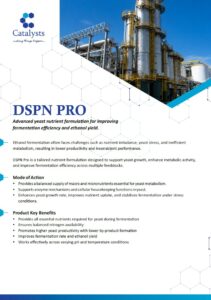
DSPN-Pro
Ethanol fermentation often faces challenges such as nutrient imbalance, yeast stress, and inefficient metabolism, resulting in lower productivity and inconsistent performance.
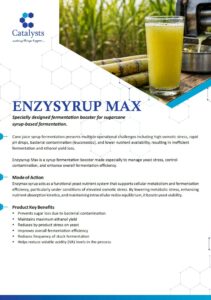
Enzysyrup Max
Specially designed fermentation booster for sugarcane syrup-based fermentation. Cane juice syrup fermentation presents multiple operational challenges including high osmotic stress, rapid pH drops, bacterial contamination (leuconostoc), and lower nutrient availability, resulting in inefficient fermentation and ethanol yield loss.
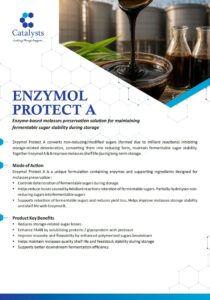
Enzymol Protect A
Enzymol Protect A converts non-reducing/modified sugars (formed due to milliard reactions) inhibiting storage-related deterioration, converting them into reducing form, maintain fermentable sugar stability.
Enzytreat Plus
Distilleries operating under Zero Liquid Discharge (ZLD) systems often recycle process streams such as spent lees, RO permeate, process condensate, spent wash, or thin slops to reduce freshwater consumption and meet environmental regulations.
Enzytreat Advance
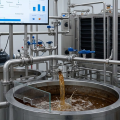
The recycle streams often contain high level of volatile acids and other organic pollutants which cause significant stress on the yeast during fermentation. Further, many recycled streams also consist of bacterial contamination, which consume fermentable sugars, produce inhibitory metabolites like volatile fay acids (VFAs), and reduce overall fermentation efficiency and alcohol yield.
Enzypro MV-6
In continuous molasses-based alcohol fermentation, microbial contamination, higher volatile acid, inconsistent yeast viability and limited fermentable sugar availability can reduce fermentation efficiency, increase process instability, and impact alcohol recovery.
Enzypro M
In continuous molasses-based alcohol fermentation, microbial contamination, higher volatile acid, inconsistent yeast viability and limited fermentable sugar availability can reduce fermentation efficiency, increase process instability, and impact alcohol recovery.
Enzymol Plus
Molasses-based fermentation often faces challenges such as lower alcohol yield, high spent wash generation, microbial contamination, and nutrient limitations for yeast growth.
Enzymol Protect B
Storage of molasses under high-temperature and contamination-prone conditions can accelerate sugar degradation, acidity increase, microbial contamination, and deterioration of feedstock quality.
Enzyinvert P Conc.
In syrup processing and related industrial operations, incomplete or uncontrolled inversion of sucrose can lead to inconsistent syrup profiles, formation of unwanted by-products, and inefficiencies in batch planning.
Enzymol Protect Advance
Preserving sugarcane Molasses during storage is a major challenge due to rapid crystallization, microbial contamination, and degradation of fermentable sugars. These issues often lead to reduced sugar content, increased acidity (TVA), foaming, and deterioration in color and aroma, especially under favorable climatic conditions.
Fermentation Efficiency Booster
Enzyme-based fermentation efficiency boosters with antimicrobial action for molasses distilleries. Fermentation in molasses distilleries is often impacted by bacterial contamination such as Bacillus, lactic acid, and acetic acid bacteria, which reduce fermentation efficiency, increase by-product formation, and lower alcohol yield. Controlling these contaminants under varying process conditions is a major industry challenge.
Lacto X
Bacterial contamination during fermentation in molasses and grain distilleries significantly impacts process efficiency, leading to reduced alcohol yield, increased by-product formation, and unstable fermentation performance.
Sulfo Treat-S
Presence of elevated sulphite levels in syrup or molasses can negatively impact fermentation performance by inhibiting microbial activity and disturbing process stability.
Sulfo Treat-R
Sulphide contamination in water systems leads to odour, turbidity, colour formation and microbial imbalance, creating operational and reuse challenges across industrial utilies.
OxzyTreat
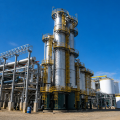
MEE condensate generated from raw spent wash in ethanol distilleries contains high organic load and toxic constituents that limit direct reuse or discharge.
DSPN-M
A proprietary blend of various essential nutrients specially designed to enhance the yeast health & productivity. Usage of this product helps to mitigate the nutrition deficiency and also act as urea replacement for variety of sugary feed stock fermentation. Components in a blend DSPN ensures Distinguished Supply of Permeable Nutrients essential for yeast development & proper metabolic activities in desired unidirectional way towards ethanol production
Enzytreat Advance
Advanced antimicrobial molecules present in products targets only on specific type of microbial contamination, particularly develops in non-sugary waster water streams, without affecting yeast health & productivity by reduction in the accumulation of organic COD level on continuous usage, this makes recycle streams more suitable for fermentation.
Enzymol Protect Advance
Enzymol Protect Advance is a solution (involving product and process) designed and implemented by the Catalysts team to preserve reducing sugars in B-Heavy Molasses during storage. Its implementation guarantees zero loss of sugars in Molasses while storage up to 6 months. It saves huge losses (up to 15%) to Sugar Factory or allied Distilleries being suffered due to deterioration of sugars in Molasses while in storage.
Bactosafe DF
High-performance biocide for controlling bacterial contamination in sugar and molasses-based fermentation processes. Bacterial contamination in sugar and molasses fermentation leads to quality deterioration, sugar loss, and reduced ethanol yield, impacting overall process efficiency.
Bactoferm M
Broad-Spectrum Antimicrobial for Fermentation. Microbial contamination, especially by lactic acid bacteria like Lactobacillus, poses a significant barrier in industrial ethanol fermentation. Bacterial proliferation results in the production of organic acids, diminished yeast viability, slower fermentation rates, and significant drops in ethanol yield. Effective management of bacterial contamination is crucial to ensure stable fermentation performance, prevent blocked fermentation, and optimize ethanol yield.
Catalysts-ADY
High-performance active dry yeast for efficient high-gravity ethanol fermentation across sugarcane-based feedstocks. Conventional yeast propagation and culture-based systems often lead to variability in fermentation performance, contamination risks, and lower ethanol yield due to inconsistent yeast health.
Enzysyrup Max
Specially designed fermentation booster for sugarcane syrup-based fermentation. Cane juice syrup fermentation presents multiple operational challenges including high osmotic stress, rapid pH drops, bacterial contamination (leuconostoc), and lower nutrient availability, resulting in inefficient fermentation and ethanol yield loss.
Fermentation Efficiency Booster
Enzyme-based fermentation efficiency boosters with antimicrobial action for molasses distilleries. Fermentation in molasses distilleries is often impacted by bacterial contamination such as Bacillus, lactic acid, and acetic acid bacteria, which reduce fermentation efficiency, increase by-product formation, and lower alcohol yield. Controlling these contaminants under varying process conditions is a major industry challenge.
Common Questions on Sugarcane Processing
Answers to the most asked questions about sugarcane processing challenges and enzymatic solutions.
What challenges does the sugar industry face in sugarcane processing?
The sugar industry faces challenges including dextran formation causing sucrose loss, slower crystal growth forming elongated or needle-shaped crystals, high viscosity and blocked crystal faces causing incomplete crystallization, poor clarification increasing colour and ash in sugar, acid beverage floc development, and deterioration of stored molasses and syrup.
What enzymatic products does The Catalysts Group offer for sugarcane processing?
The Catalysts Group offers Enzylase (alpha amylase for starch hydrolysis), Enzydex (dextranase for dextran hydrolysis), Enzysweet (liquid protease), Bactosafe (mill sanitizer), BactoShield (USFDA-approved QAC sanitizer), Enzycolour Go-J and Enzycolour Go-R (colour precipitating agents for Phospho-flotation), Catfloc-J and Catfloc-R (anionic flocculants), and Enzymol Protect Advance (B-Heavy Molasses preservation).
How does Enzymol Protect Advance help sugar factories?
Enzymol Protect Advance is designed and implemented by the Catalysts team to preserve reducing sugars in B-Heavy Molasses during storage. Its implementation guarantees zero loss of sugars in Molasses while storage up to 6 months. It saves huge losses — up to 15% — to Sugar Factory or allied Distilleries being suffered due to deterioration of sugars in Molasses while in storage.
What is Enzydex used for in the sugar industry?
Enzydex is a fungal dextranase (1,6-alpha-P-glucan 6-glucanohydrolase) obtained by the controlled fermentation of Penicillium Paecilomyces. It has been designed and developed by the Catalysts R&D team for hydrolysis of the interior alpha-1-6-glucosidic bond of dextran and its degradation products — directly addressing the dextran problem in sugar juice processing.
What challenges does the sugar industry face in sugarcane processing?
The sugar industry faces challenges including dextran formation causing sucrose loss, slower crystal growth forming elongated or needle-shaped crystals, high viscosity and blocked crystal faces causing incomplete crystallization, poor clarification increasing colour and ash in sugar, acid beverage floc development, and deterioration of stored molasses and syrup.
info@thecatalystsgroup.com


GET IN TOUCH